
Judy Chicago: HERSTORY at the New Museum, NYC
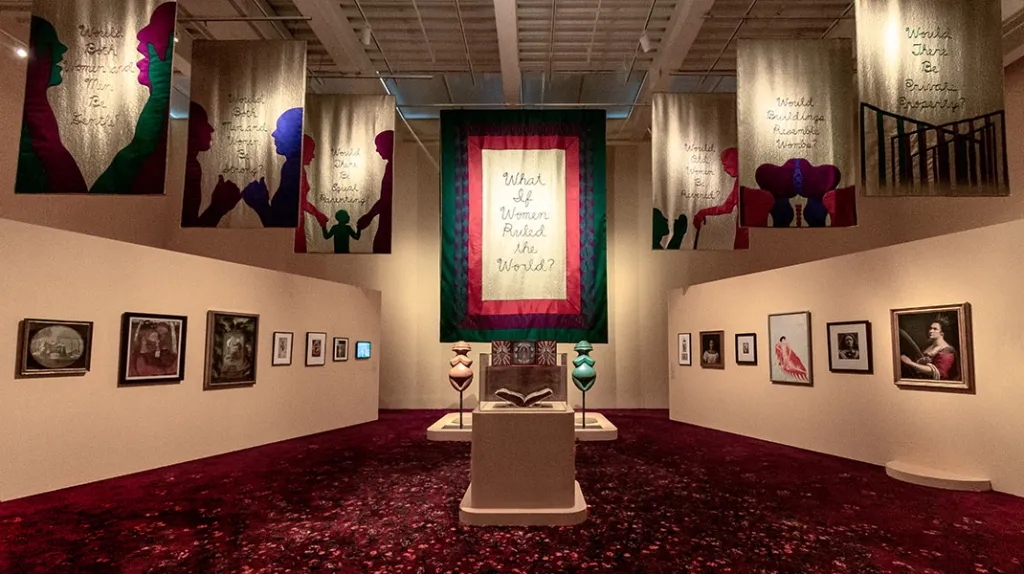
In one of the pieces from her massive retrospective at the New Museum — covering sixty years of art making — Judy Chicago invites us to consider a simple question: What if Women Ruled the World? The responses are compiled in a sprawl of hopeful texts, manifest in needlework, that most feminine of forms.
“There would be no wars.” “The Earth would be saved by humanity instead of being destroyed by it.” “The first step would be to abolish gender norms and deconstruct the entire hetero-patriarchal, racist and classist system that surrounds us.” “Not one mass shooter in the US was female.” “There is no need for violence when we use our hearts.”
In anyone else’s hands this piece might come off as naive or reductive, but there is something about Judy Chicago’s method — what she refers to as “call and response” collaboration — through which she is able to harnass an outpouring of honesty from many participants. The result is that the artwork has a powerful impact. It is urgent and exciting.


This is a big show, going all the way back to painted car hoods Judy Chicago produced in the mid sixties.

And then there were the wonderful smoke performances from the seventies.

But these early artworks are not the reason for Judy Chicago’s giant retrospective at the New Museum.
“Herstory” will showcase Chicago’s tremendous impact on American art and highlight her critical role as a cultural historian claiming space for women artists previously omitted from the canon.
New Museum description of Judy Chicago: Herstory
It is this role as a cultural historian which Judy Chicago fully inhabits in her artwork called “City of Ladies.” The piece is a show-within-a-show in which nearly ninety artworks by notable women from history are on display.


In an interview about “The City of Ladies” Judy Chicago often mentions a certain “Christine.” It took me a while to figure out she meant Christine de Pizan, who wrote “The Book of the City of Ladies” in 1404. Christine de Pizan lived from 1365 to 1430 and is thought to be the author of some of the very first feminist pieces of literature.

Shows the author lecturing to a group of men. Created in her scriptorium in Paris in 1413.
A brochure provided by the New Museum is a compendium of the women included in the show, and contains a short but detailed biography of each: Hilma af Klint, Claude Cahun, Leonora Carrington, Elizabeth Catlett, Emily Dickinson, Artemisia Gentieschi, Zora Neale Hurston…among many others.
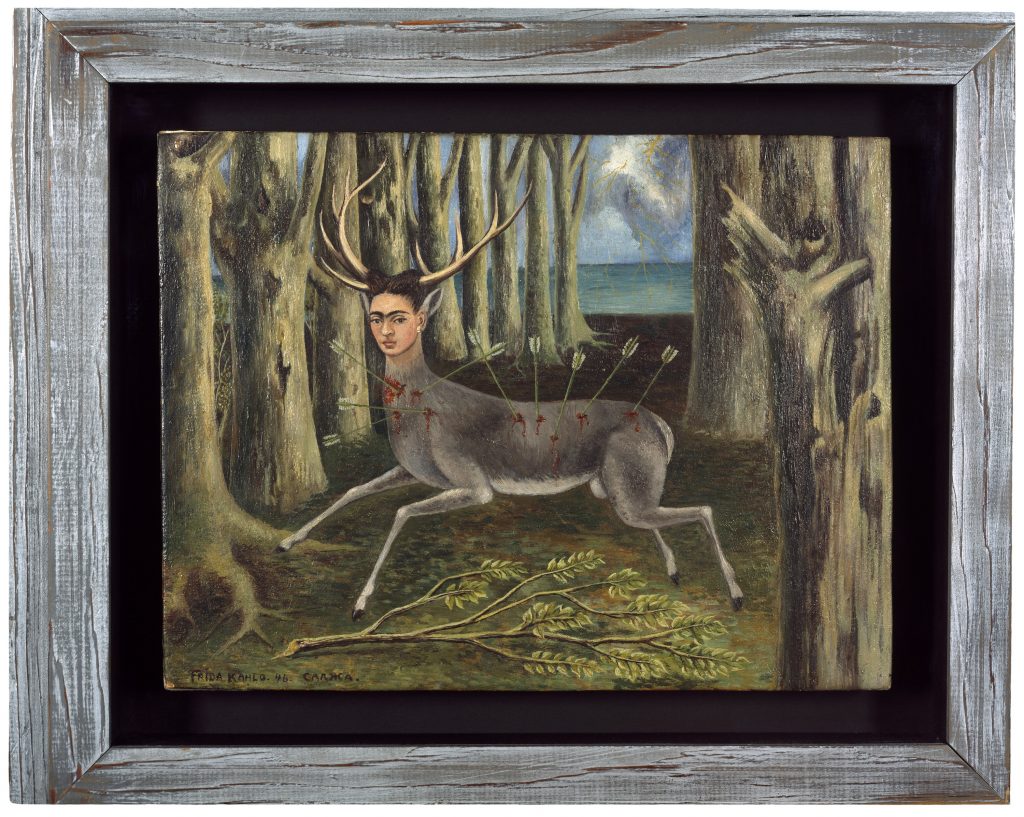
As Judy Chicago says: “If you bring Judy Chicago into the museum, you bring women’s history into the museum.”
“The International Honor Quilt,” another “call and response” project, is composed of 539 individual triangular quilts, produced by women from around the world. Each triangle celebrates a woman, a women’s group or a feminist issue, and together they create a joyful depiction of global female solidarity.

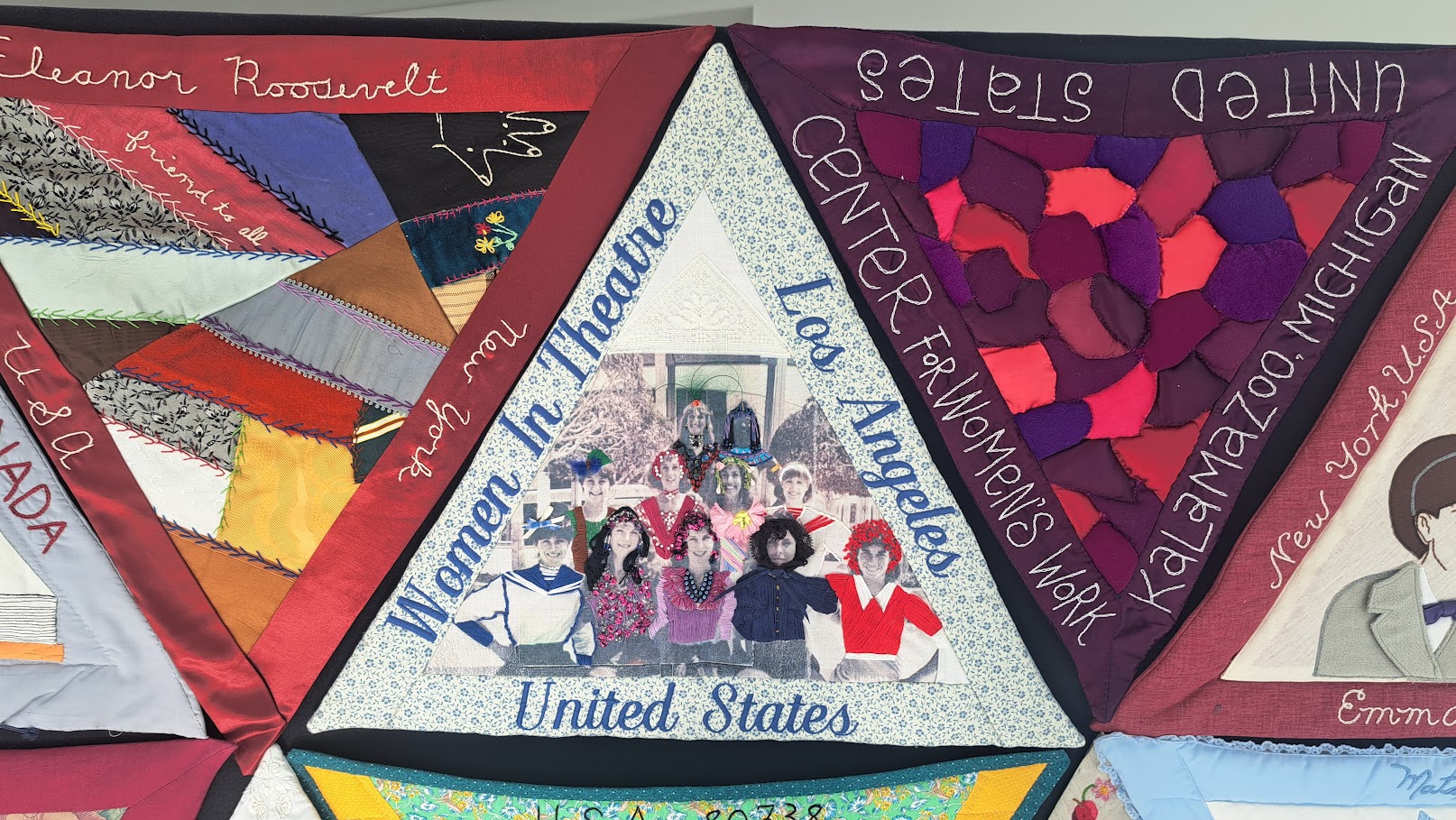
Mostly global icons, like Queen Elizabeth II, are represented, but there are also lots of obscure women’s groups and a few mythological, religious, fictional women make the cut, for example: Deborah, Demeter, Eve, Isis, Nancy Drew, Persephone, Virgin Mary and, weirdly, the Loch Ness Monster.

Parts of the show seem too binary. Are all women good because they can give birth and all men are evil warmongers? That part of the show — despite the beauty of the massive collaborative tapestries — struck me as an illustration of the limits of second wave feminism.
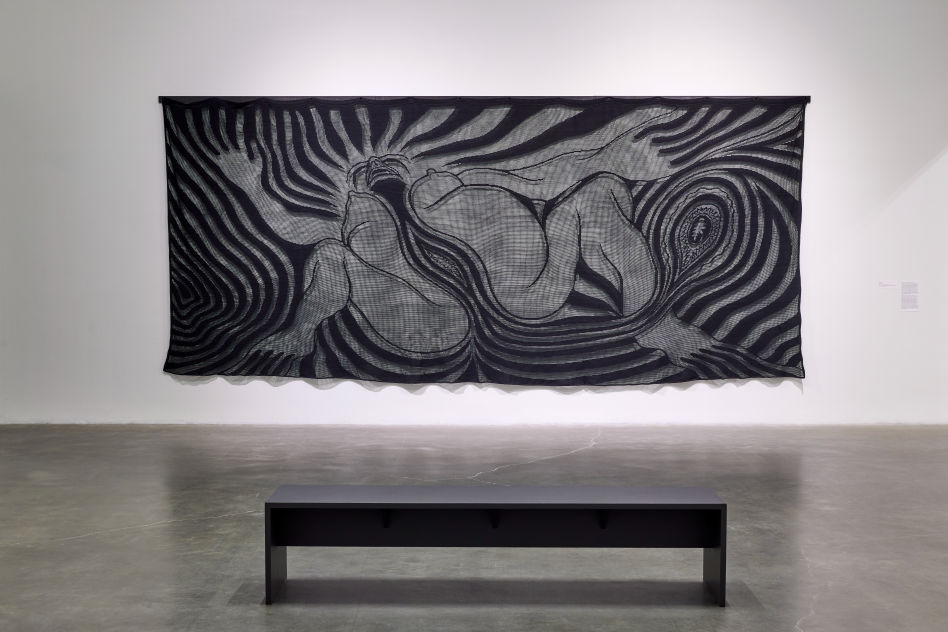
I prefered looking at her most recent work, where she meditates on death and the climate crisis.

But wait, the big thing, the thing I heard about for decades, the thing that defines Judy Chicago — “The Dinner Party” — was not there. It was a ghostly presence throughout, constantly referenced, but absent.
I was obliged to journey to Brooklyn, change to the 2/3 at Hoyt, past Grand Army Plaza and The Botanic Gardens, onward, to Eastern Parkway and the stately Brooklyn Museum, where Judy Chicago’s famous work is permanently lodged.
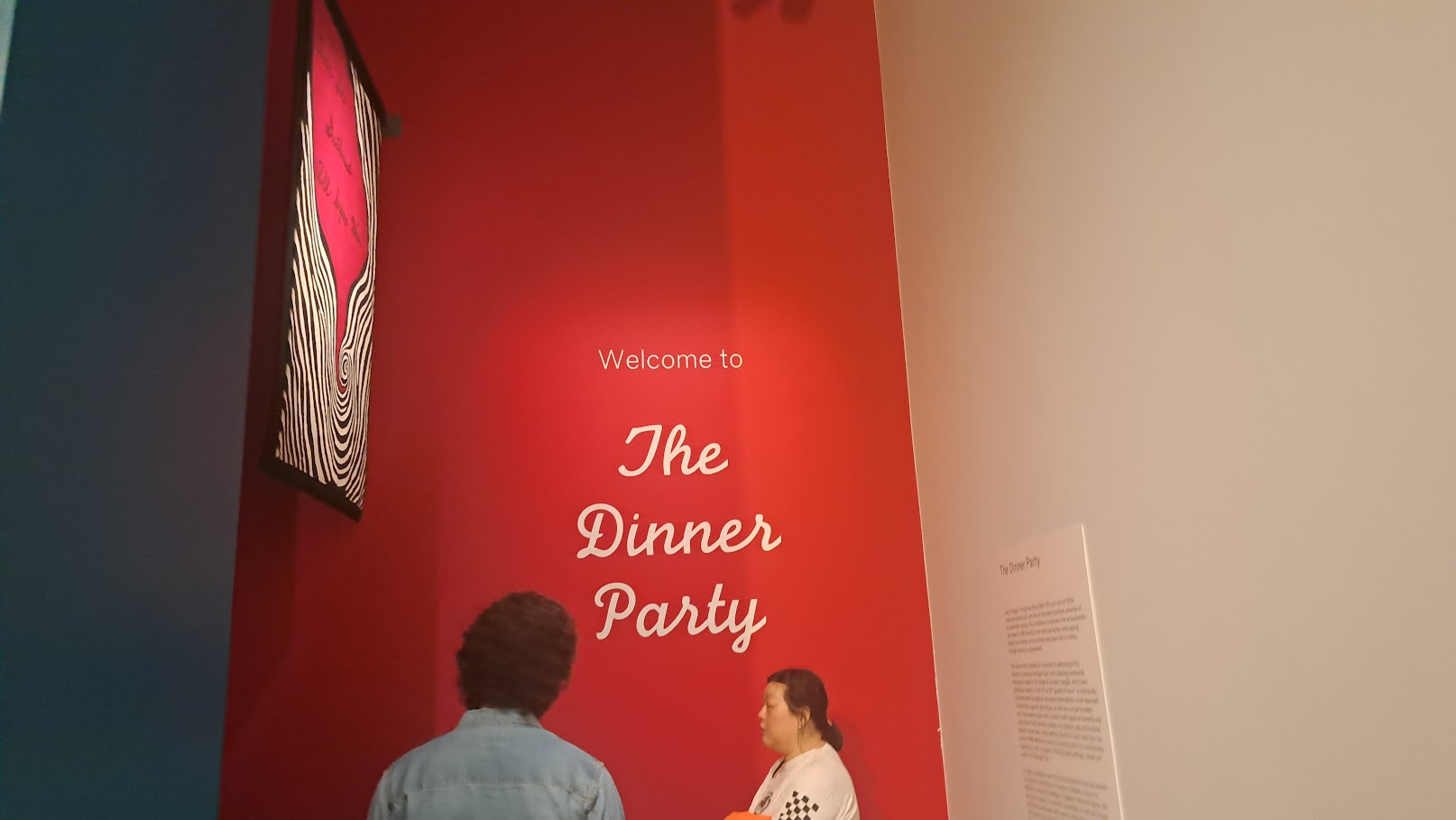


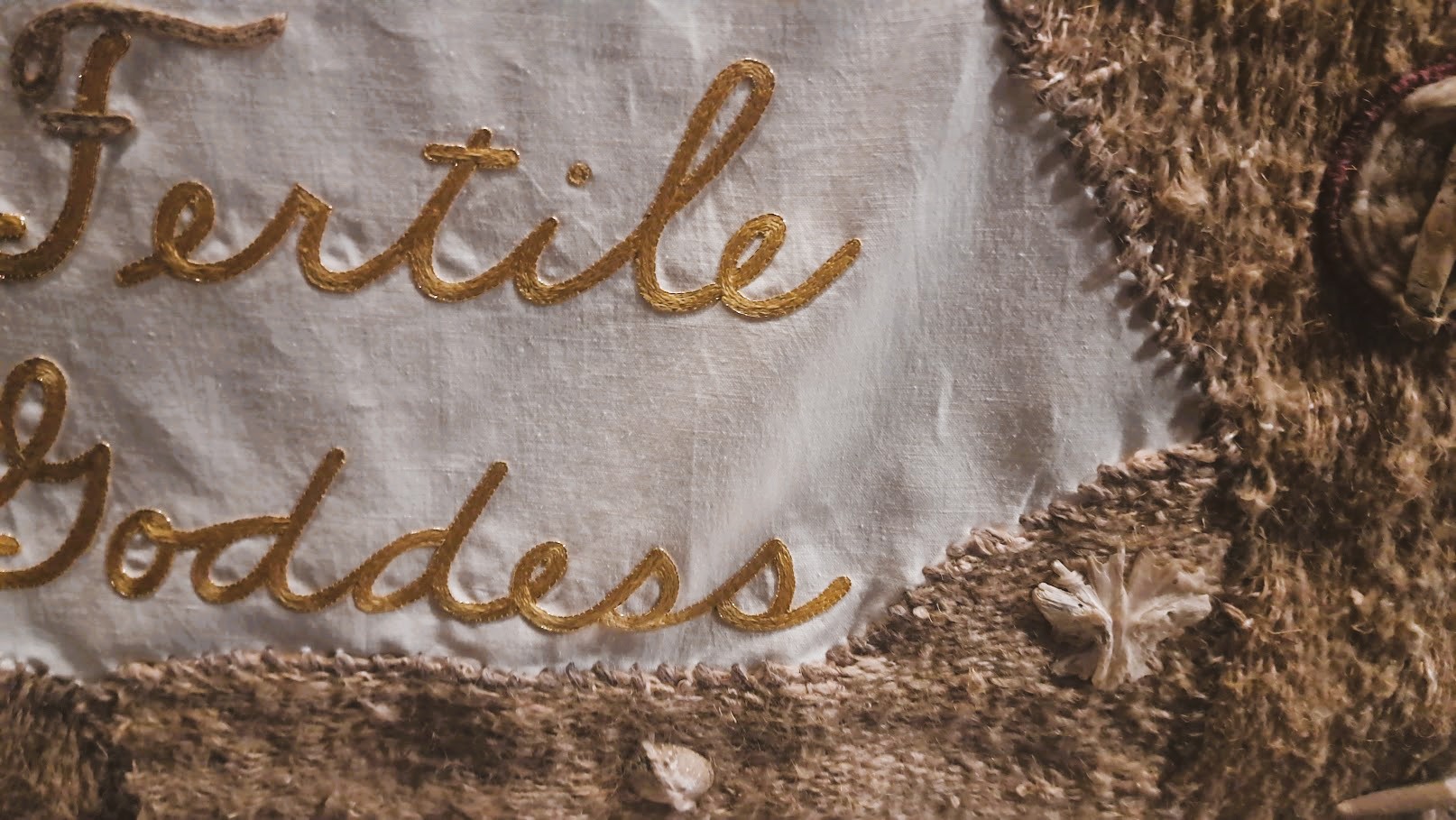
It was a long trip, but it was worth it.
 annetteandquebec