March 19, 2025

Yann Pocreau “The Lapse in Between” at Division Gallery

Yann Pocreau is a photographer who is not really into taking pictures. In his show at the Blouin Division Gallery, he seems so over it: the pointing and clicking to capture a moment in time. In fact, you get the feeling, looking at much of the work of Yann Pocreau, that he has decided there are more than enough photographs in this world.

“A Light Shift 01” by Yann Pocreau

Yann Pocreau often uses found imagery — maybe he rummages through boxes of old snaps and negatives at vintage purveyors — and then he adjusts. He crops what he finds, blows it up, prints on reactive surfaces, floods with zones of subtle colour, double exposes, amplifies flaws and creases.

Detail of “les décalages 01-06” by Yann Pocreau

The result is a tension between form and content that hovers insistently in an appealing and unresolved push and pull. The absence of context creates a new kind of object, simultaneously empty and full of meaning. The piece shown above, for example: What is it all about? Are the family members triumphant survivors of Europe in ruins? Or, are they contented boaters on Lake Simcoe, heading to a summer of cottage renovations? Are the embedded brass diagonals defining the creases of a treasured snapshot — carried for years by someone — honoring a single happy moment prior to disaster? Or, are we shown the brass lines to emphasis the powerful, pictorial composition?

Installation view of “les décalages 01-06” by Yann Pocreau

The title of the artworks above is “les décalages.” The word “décalage” means shift. (“Découpage” is something else entirely. Don’t mix it up.) Lacking context, meaning shifts, gaze shifts and attention shifts.

“The found landscapes (stained views” by Yann Pocreau

The “found landscapes” above are washed lightly with a pale sepia. Otherwise, they are basically unaltered. There is a certain nostalgia inspired by these pictures, and an innocence around imagery. They make me think about family rituals of my childhood, where film was developed, following an outing or vacation, and the snapshots — all of them, no matter how banal — were carefully mounted and labeled in a oversized photo album with a thickly padded cover.

“The lapse (the pool)” by Yann Pocreau

No amount of Photoshop editing or Instagram filters could manufacture this pair of images so rich in narrative potential, and embodying the brief summer of adolescence.

“A light shift 05” by Yann Pocreau

Other works are printed on surface so gleaming, slick and metallic that the original image is impossible to discern (as above.)

“Serendipity” by Yann Pocreau

One of the pieces, titled “Serendipity,” above, is composed of six brass plates under plexiglass. Who knew that brass could be so dense and luxurious?

When brass corrodes, it can undergo dezincification, a process in which zinc is lost and copper is left behind. Mild dezincification may simply cause a cosmetic change, namely, the colour of the surface turning from yellow to pink, but severe dezincification can lead to the weakening of brass and even its perforation. 

— Preventing and Treating the Dezincification of Brass – Canadian Conservation Institute (CCI) Notes 9/13

A slight, shifting glimpse of fushia, emanating from the painted backs of the copper plates, is caught in the plexi. Maybe we are being reminded of the potential for dezincification?

Detail of “fantasme colores – tropicalia” by Yann Pocreau

In a small room at the far end of the gallery were some examples of earlier work by Yann Pocreau. In this tropical dreamscape (above) the image content is a set up for the depiction of light and colour, and the evolution of the work of this artist.

Yann Pocreau “Toward the Light” at The Image Center (Toronto Metropolitan University)

In his show at The Image Center Yann Pocreau moves even further away from what we think of as photography and slips into a kind of reverie on light itself. Subjects disappear entirely and only light is captured and admired.

“Entre le bleu la nuit: Cyanotypes exposed with lunar and solar light (9.5 hours and 45 minutes)” by Yann Pocreau

In this composition in shades of blue, Yann Pocreau uses an early percursor to photography: the cyanotype, in which various iron compounds are exposed to light and fixed with water. (Cyanotypes were used to create industrial blueprints up until very recently.)

“Les Plates Aveugle” (The Blind Plates) by Yann Pocreau

“The Blind Plates” is described as an “inkjet print with applied gold leaf.” In this case it seems irrelevant to use photography at all. It could be a minimalist painting. Why not?

Detail of “Reconciliations (Spectrums)” by Yann Pocreau

The image above was printed on silk. It shimmered very slightly when a passing viewer created a nearly imperceptible breeze.

Installation view of “Lumière 01” by Yann Pocreau

The gallery is dark and the sound of an old fashioned slide projector adds an ASMR element to the show. The slides are simply layers of light and go to the heart of this dreamlike exhibition. I really wished there was somewhere to take a nap in the deserted space.

Detail of “Les Impermanents” by Yann Pocreau

A installation of “pierced cabinet cards” arrayed on an extended light table is another large piece at The Image Center exhibition.

According to Wikipedia “The cabinet card was a style of photograph that was widely used for photographic portraiture after 1870.”

These fascinating cards — pictures of individuals who lived over a hundred years ago, posed with grave formality — have been pierced to display images of stellar constellations, shining through the paper in the darkened gallery. Poetic and empathetic, this piece connects on many levels.

Yann Pocreau explains it best:

My journey over the last few years has been punctuated by exhibitions whose driving force is cosmic vertigo, this new relationship to the world and its phenomena, from the Universe to the center of the Earth. Between a simple dialogue with science, with a certain existentialism, I think and produce projects that attempt to address the macro and micro links that shape and design our environment, our way of understanding it.

— Yann Pocreau

January 9, 2016

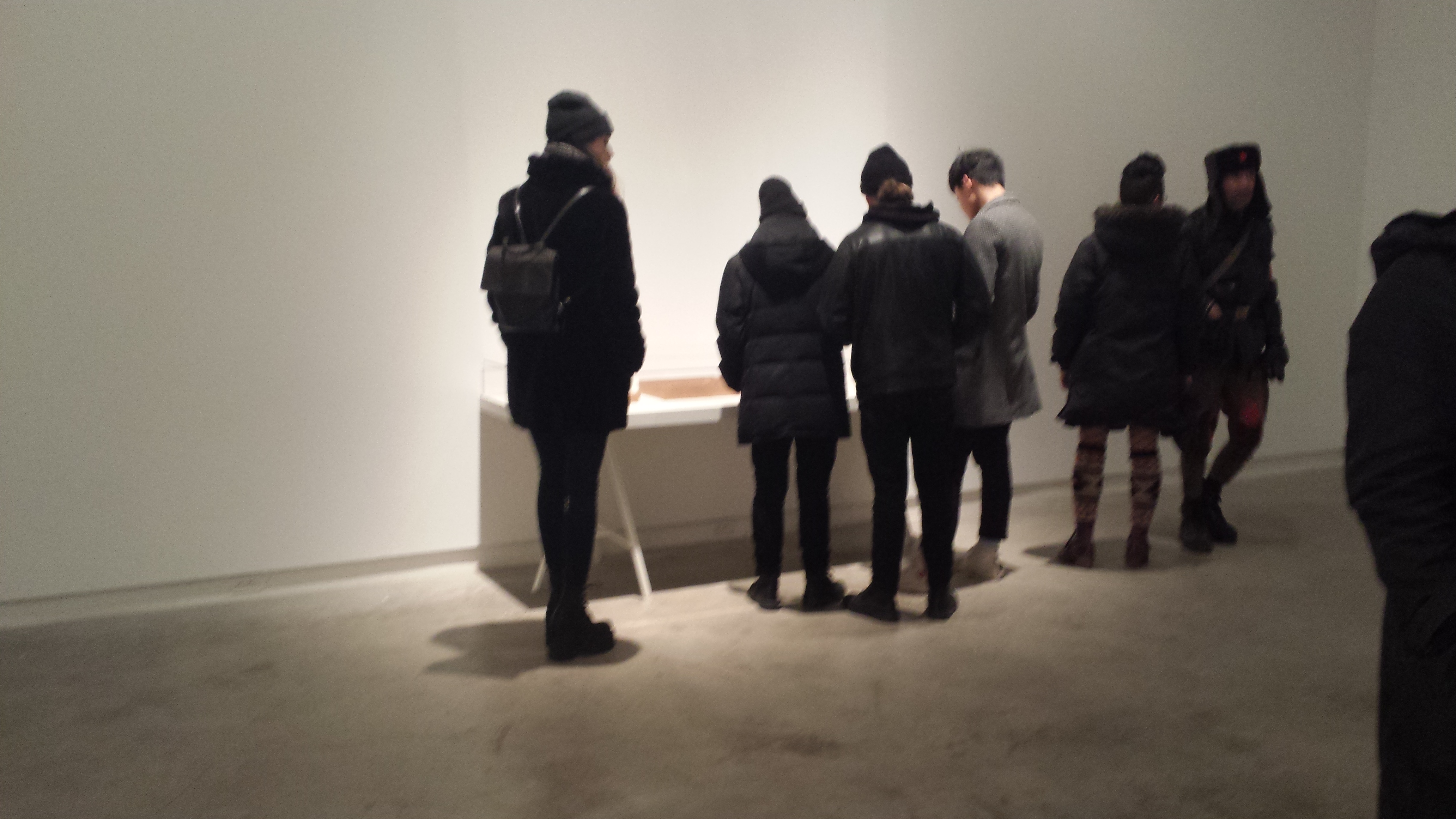
It’s great to go to openings for the social aspect.  But for looking at art, openings are not the best.  I dropped in at a Clint Roenisch gallery opening last week and could not really get a beat on the art shown.

20160107_194942

It was so cold in the gallery that people stood outside, around a fire, to warm up.

20160107_194743

There was a small display referencing the work of On Kawara, who died on July 10th 2014.

20160107_194827

At one point I dropped my phone.


Division Gallery

(Viewed in daylight hours.)

Svea FergusonSelf Exposures

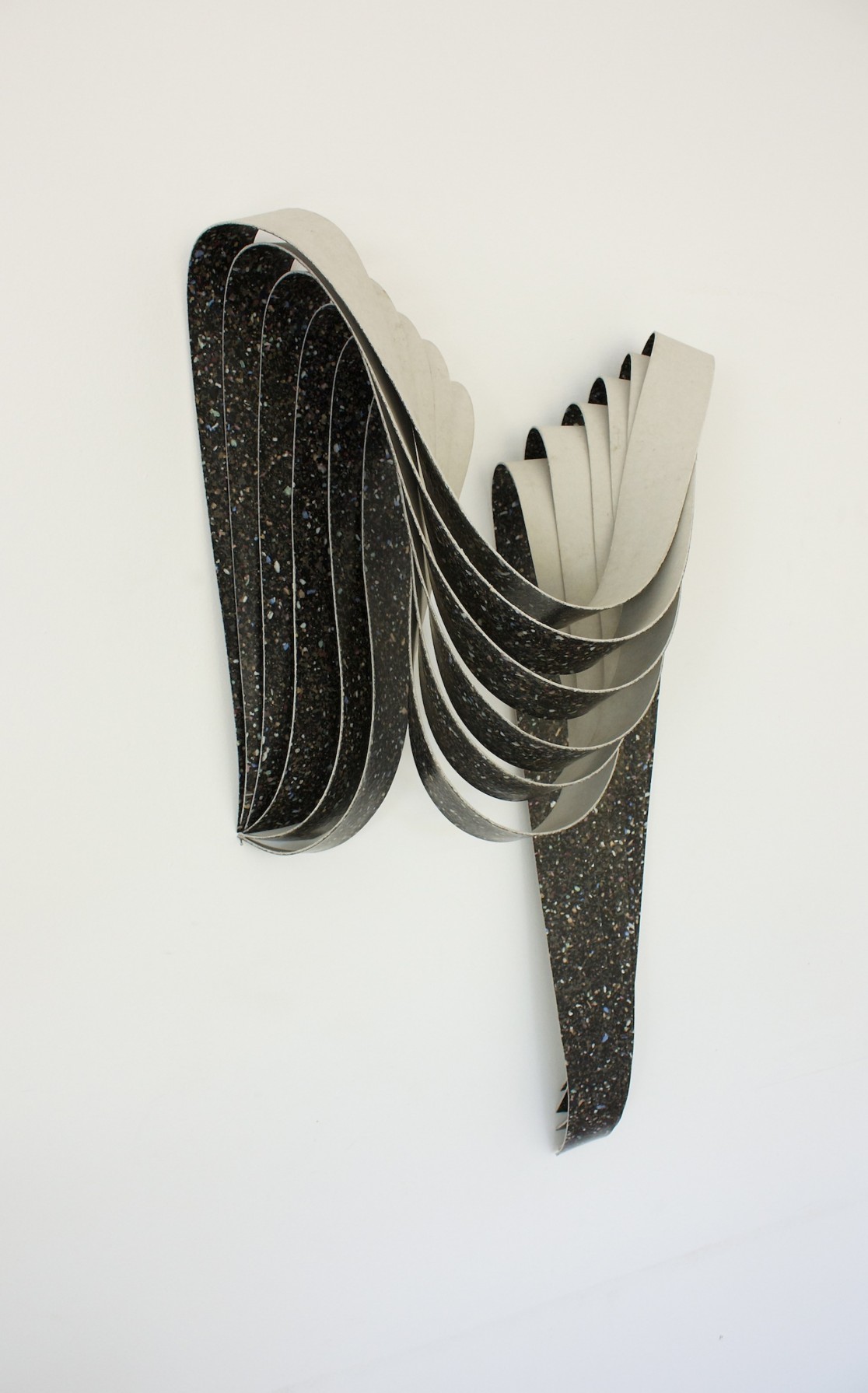
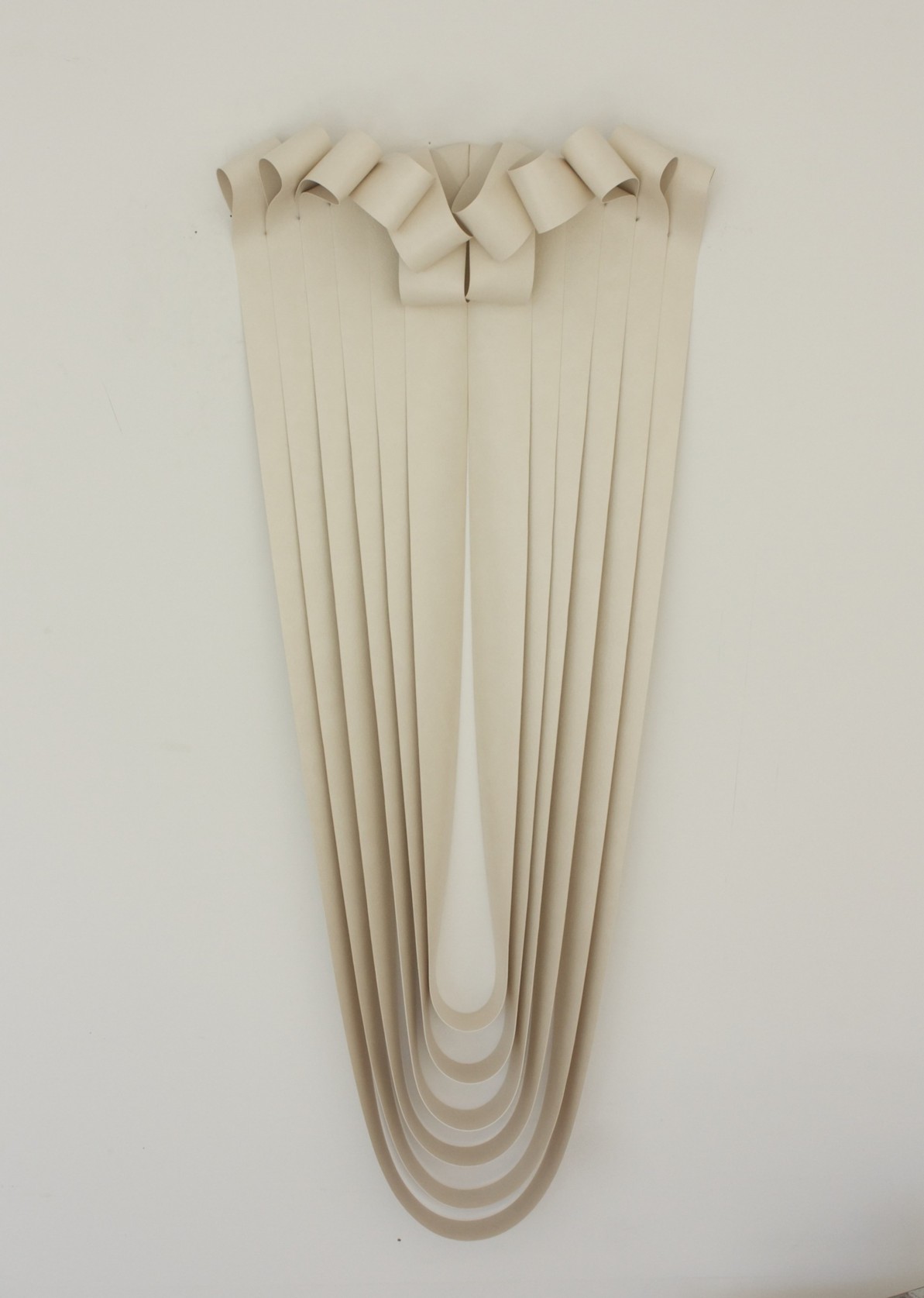
I particularly liked looking at this artist’s sculptures.  Vinyl flooring, that generally banal substance, is the material Svea Ferguson uses to create these expressively nuanced three dimensional pieces. (You can almost feel the matte knife slicing through the buttery vinyl!)

2185

“Black Sigh” by Svea Ferguson

2193

“Untitled” by Svea Ferguson

The sculptures swoop, furl and drape with apparently effortless grace.  It’s like we are programmed to respond to those elegant curves.  It must be in our DNA.  The bland beige and industrial black and white add a mood of detached sophistication.

Jillian Kay RossMost Dogs Go To Heaven

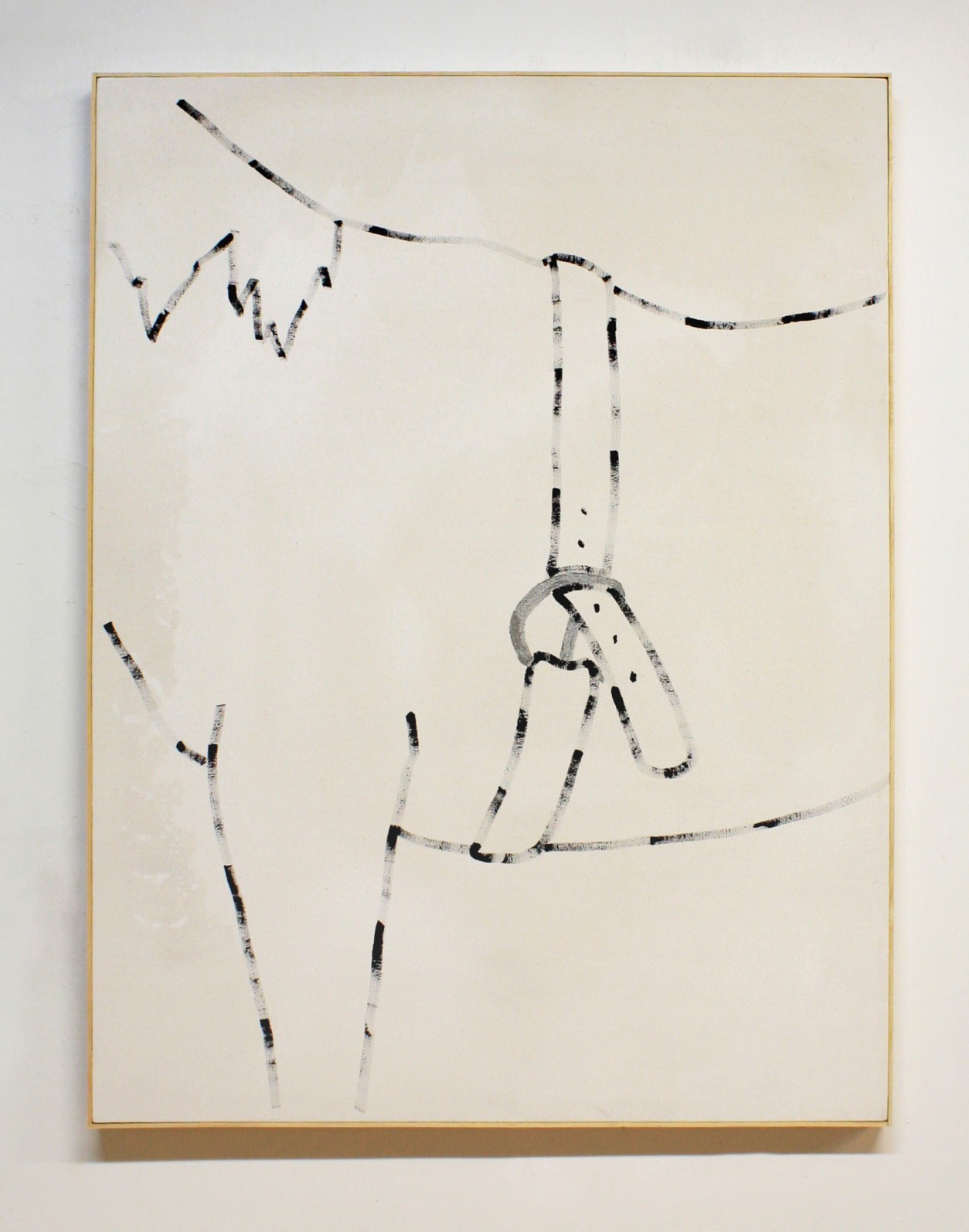
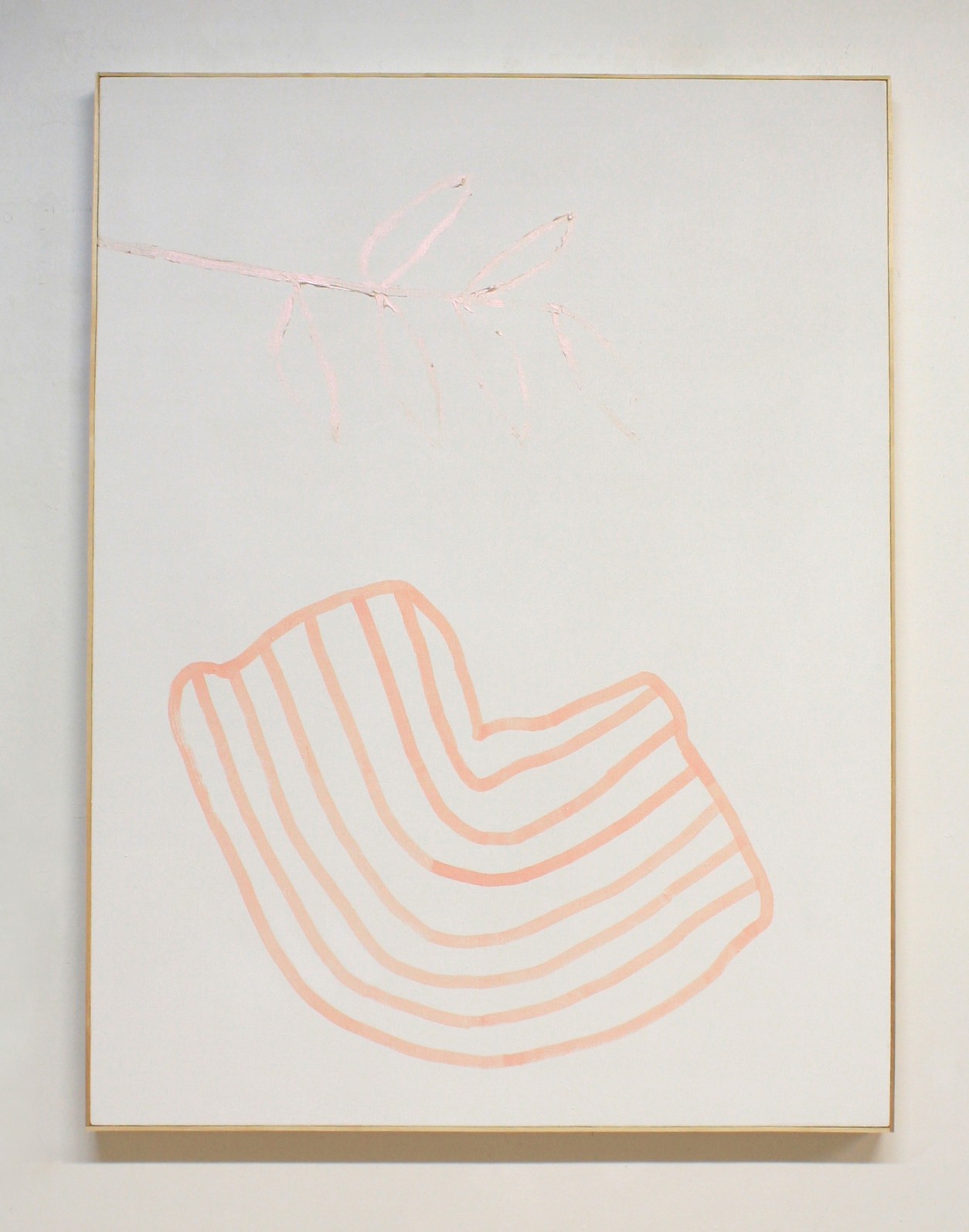
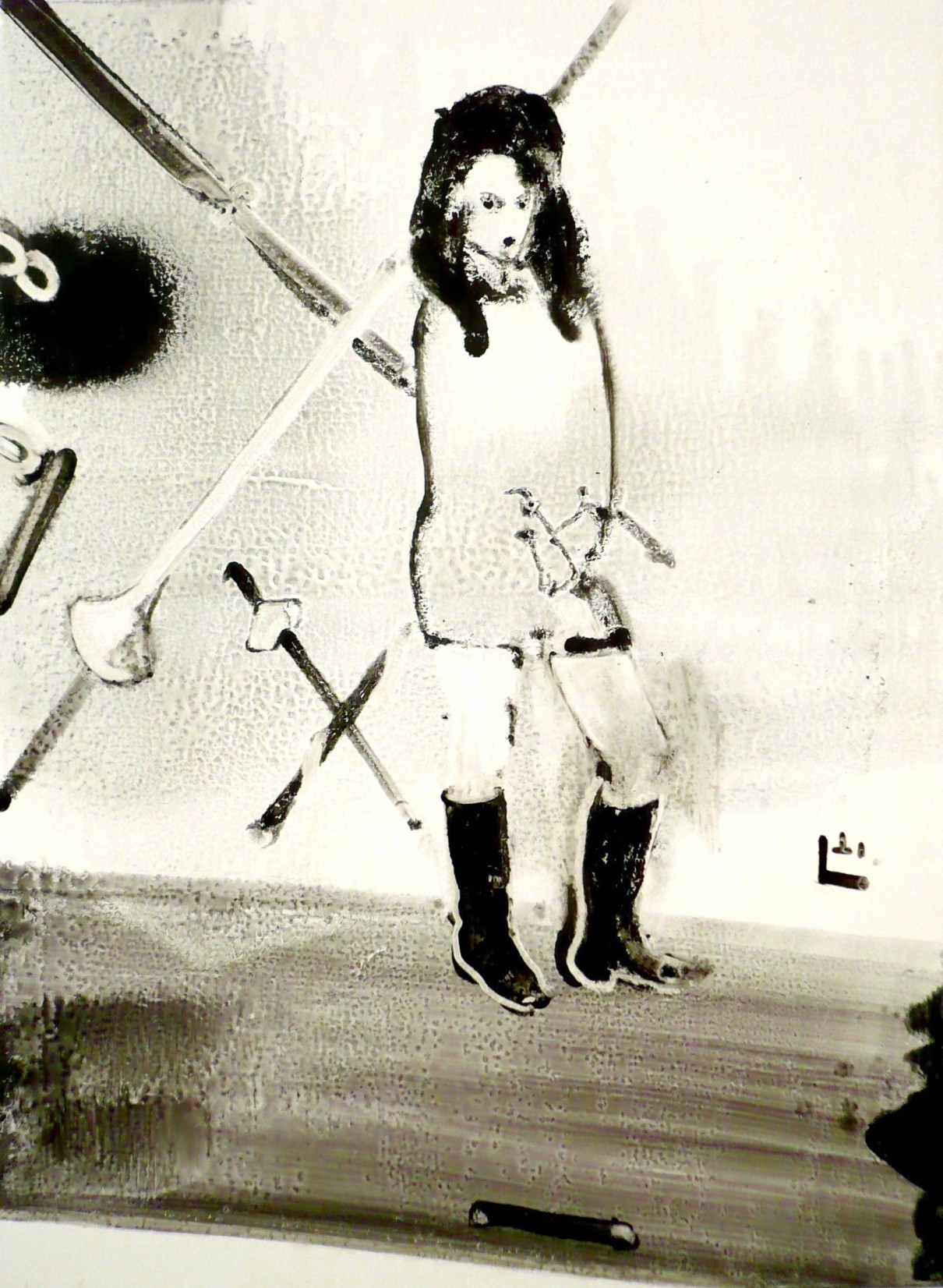
Jillian Kay Ross tells us that these paintings “function together as a collection of reassurances.”  The paintings, composed of simple, spare line drawings on a white ground, do create a sense of naivete. Maybe what the artist is getting at is the trusting faith that exists only in childhood?  The somewhat primitive renderings of buckled up ponies, nails, dogs and various ambiguous objects – which may or may not be related to childhood – definitely have a fey appeal.

2204-0

“Like this in West Lodge” by Jillian Kay Ross

2194

“Bent clay 2” by Jillian Kay Ross

Some of the images made me think of those few last “Lucky Charms” slowly dissolving in a bowl of milk.   It does takes real faith to blow these fragments up and know that they will hold together as paintings, and they do.

Mythology – Wesley Martin Berg, Bryce Zackery and Daniel Boccato

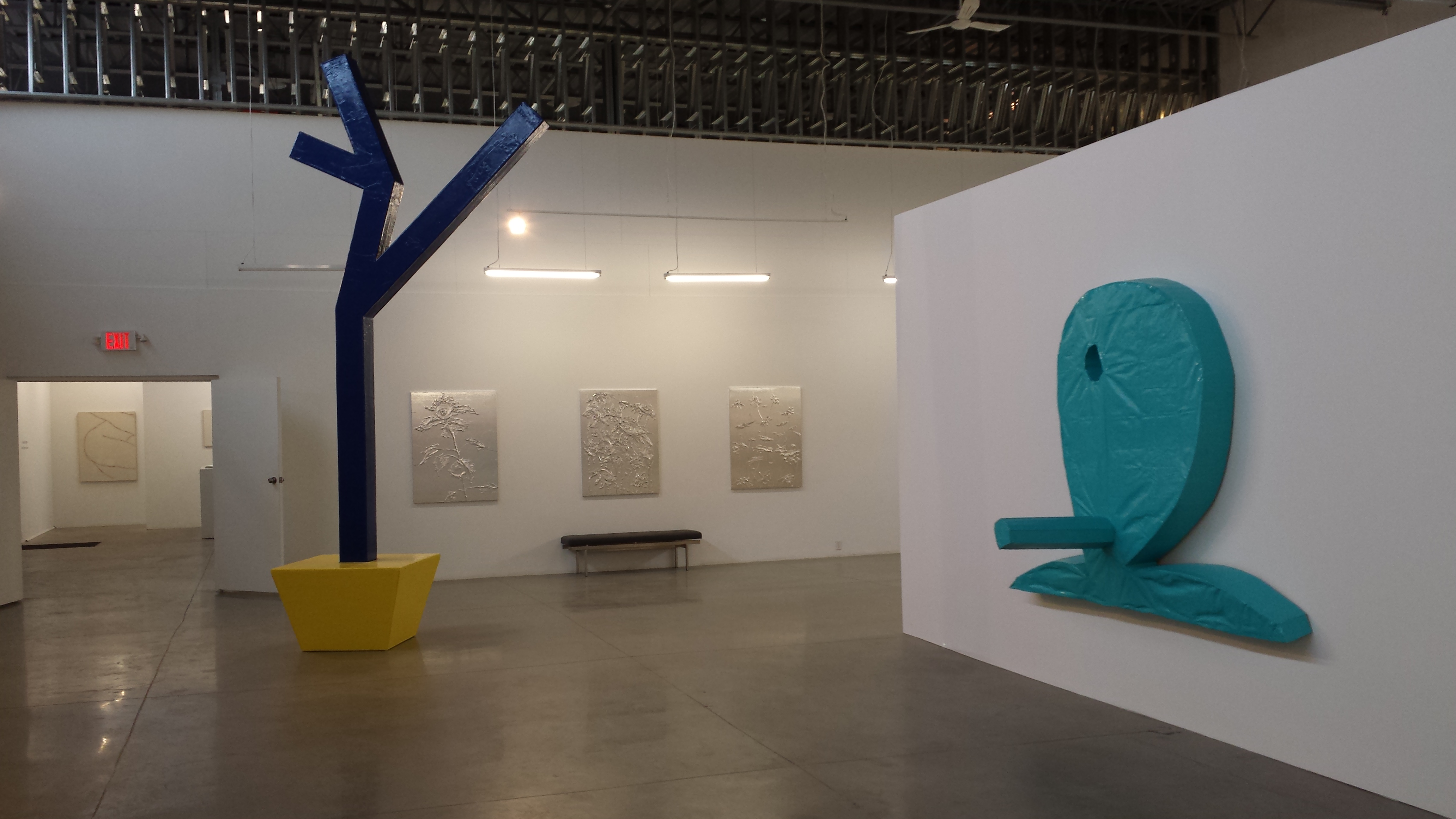
Concurrent to the exhibitions by Svea Ferguson and Jillian Kay Ross is three artist show called Mythology.   It’s a big space!

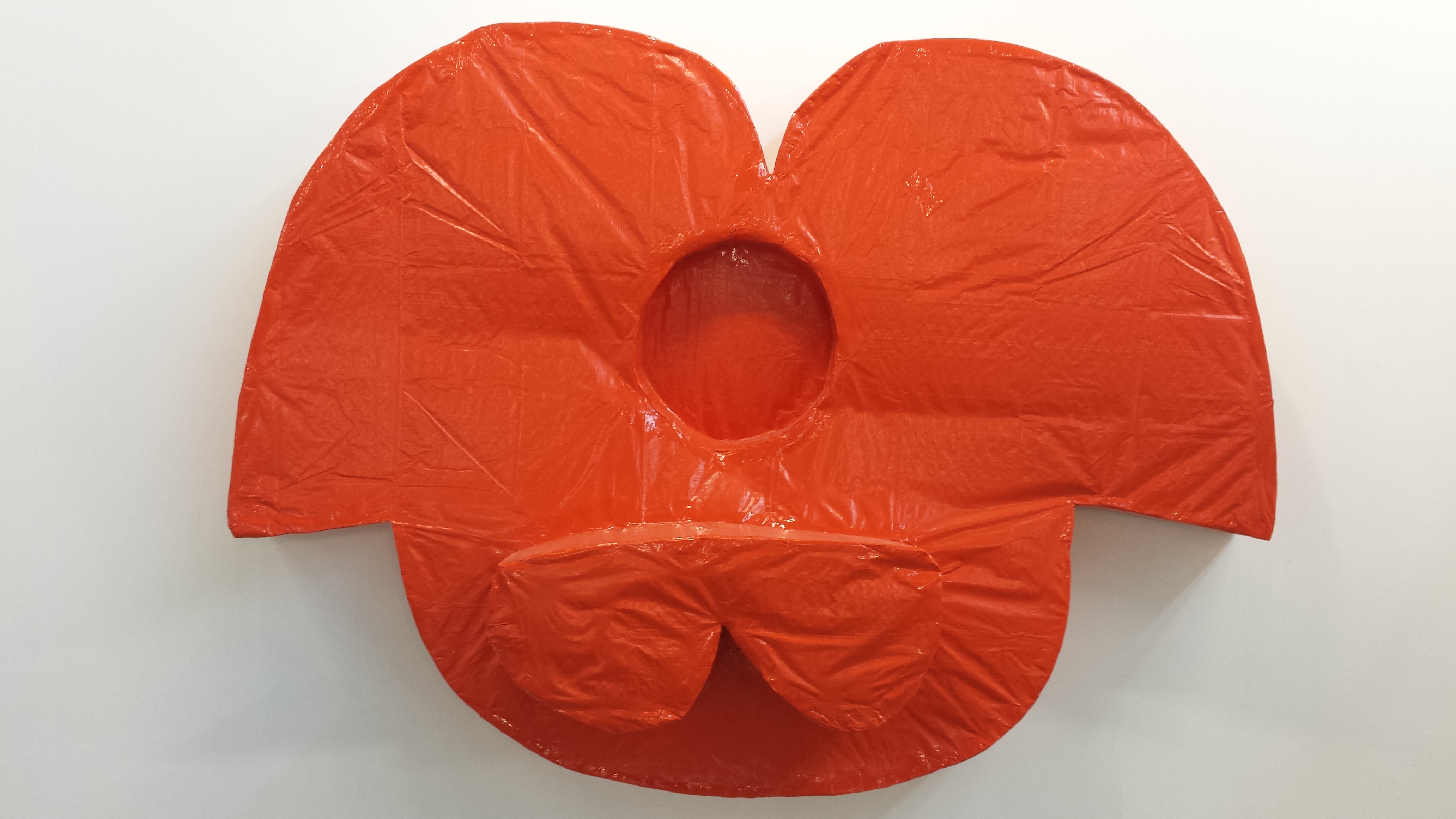
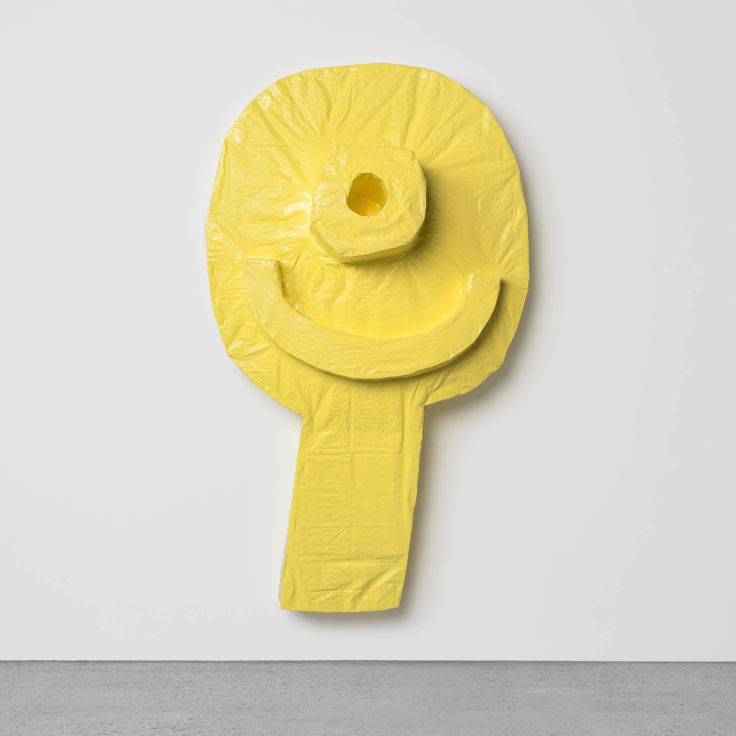
The three-dimensional pieces by Daniel Boccato look like giant, colorful, plastic inflatable toys that have lost a bit of their air and been dragged in from a deserted beach somewhere.  I really liked these pieces.  They have a joyful eccentricity and bravado that gives a playful feeling to the entire show.

20160109_141734

Installation view of Mythology Exhibition

20160109_141725

Artwork by Daniel Boccato

63f948d0c5fdb506b864d242974f494fArtwork by Daniel Boccato

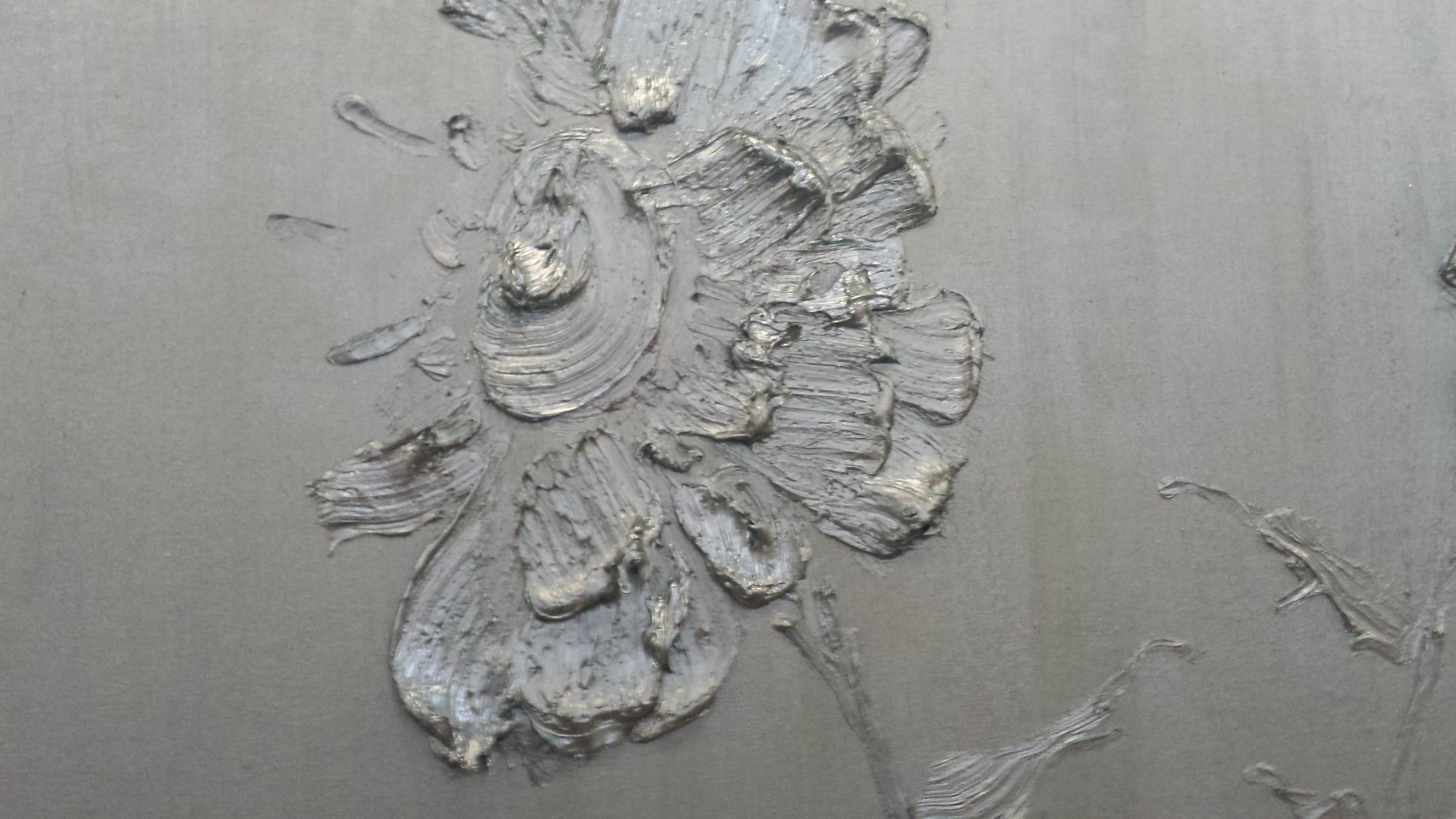
Wesley Martin Berg creates large monochromatic silver or black paintings over relief imagery, and a strange recurring “hobo” sculpture.

20160109_141604

Detail of artwork by Wesley Martin Berg

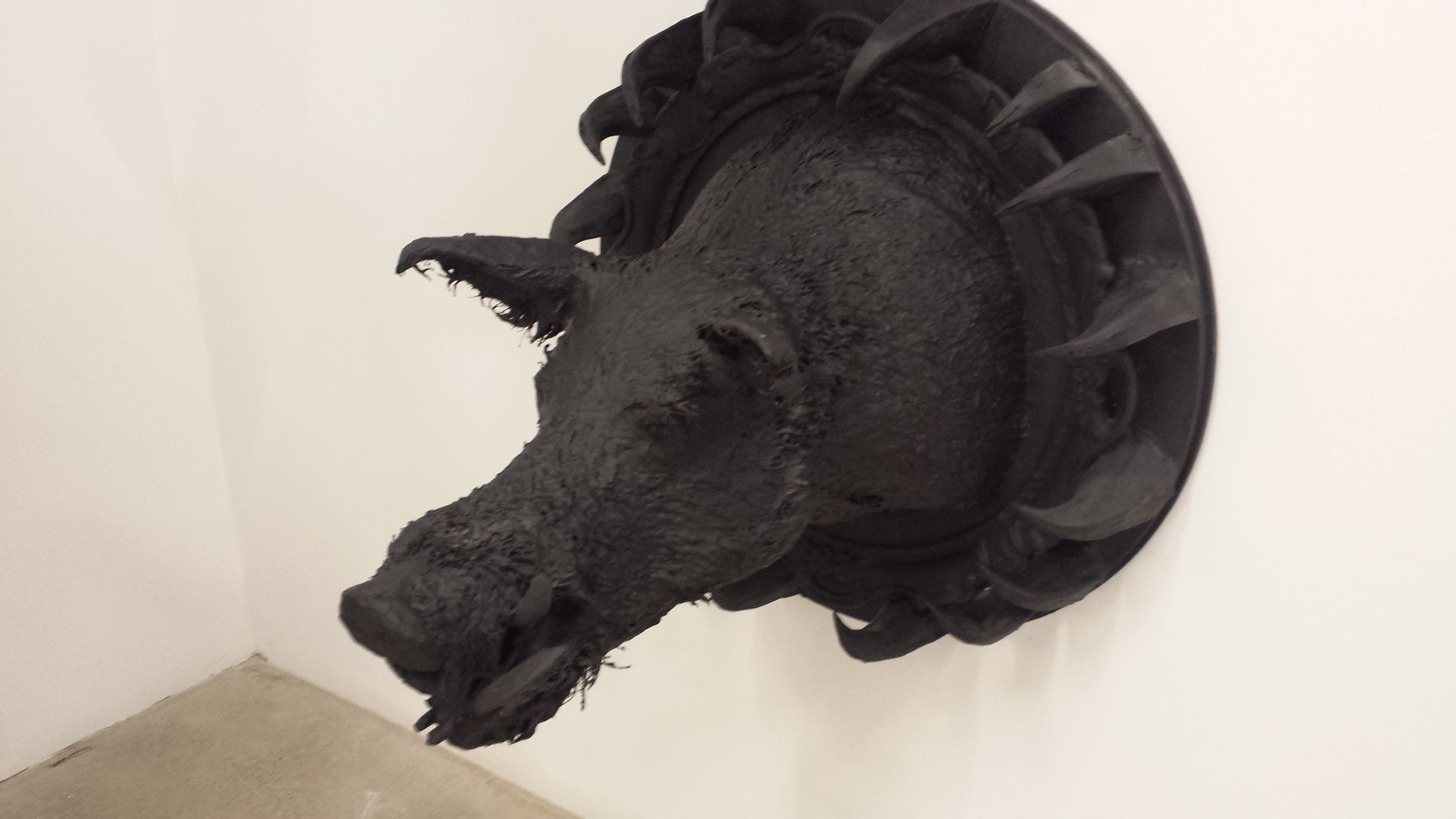
Bryce Zackery must be a fan of heavy metal.  His dense black sculptures are encrusted in with nails, chains, found objects and taxidermied creatures.

20160107_202448

Detail of sculpture installation by Bryce Zackery

January 7, 2016

These days looking at art means traversing the city and facing down the sea of red tail lights in every west bound artery.  Is all this frantic activity due to the mild winter and El Nino?  No!  It was explained to me that the reason it is so hard to get around by car in Toronto these days is because the streets are clogged with swarms of UberX drivers.  Endlessly cruising up and down Queen Street, they will not go home.  They need the money.

Birch ContemporarySexish

The subject of ‘sex and women’ is fraught with a legion of competing agendas, all the time and everywhere.  It’s kind of comforting to know that in a world where women can be stoned to death for sexual transgression, in this country artists (men and women) are free to explore pretty much any sexual subject matter they can come up with.  One option is the light touch and the glance of the coquette.  Sexish, the title of the (all female) group show at Birch Contemporary largely takes this approach, and like many of the artworks in the exhibition, the title is a bit, well, coy.

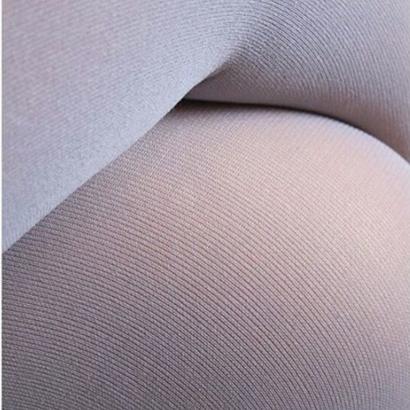
Images of tightly crossed knees by Maryanne Casasanta  or flouncy skirts by Cathy Daley read as girlish, coltish, kittenish.  Sex seems a long way off…although there are hints.

1822

Artwork by Maryanne Casasanta

Two artworks by Cathy Daley

Using hand stitched embroidery on lovely found fabrics Orly Cogan depicts the eroticized domestic realm where home is a place to relax and get high.

1852

“Saturday” by Orly Cogan

1850

“Mirror Mirror” by Orly Cogan

Other artists in the show take on S&M imagery.   Fresh, original paintings by Ilona Szalay have a very contemporary feel, although they reference what seems to be a reenactment of Victorian prurience.

1670

“Girl and Graffiti” by Ilona Szalay

Janet Werner‘s painting of the back of woman’s head transmits a subtle shock.  First we examine the voluptuous coiffure and then the freakishly attenuated neck and damaged ear.  What happened here?

1824

“Jo” by Janet Werner

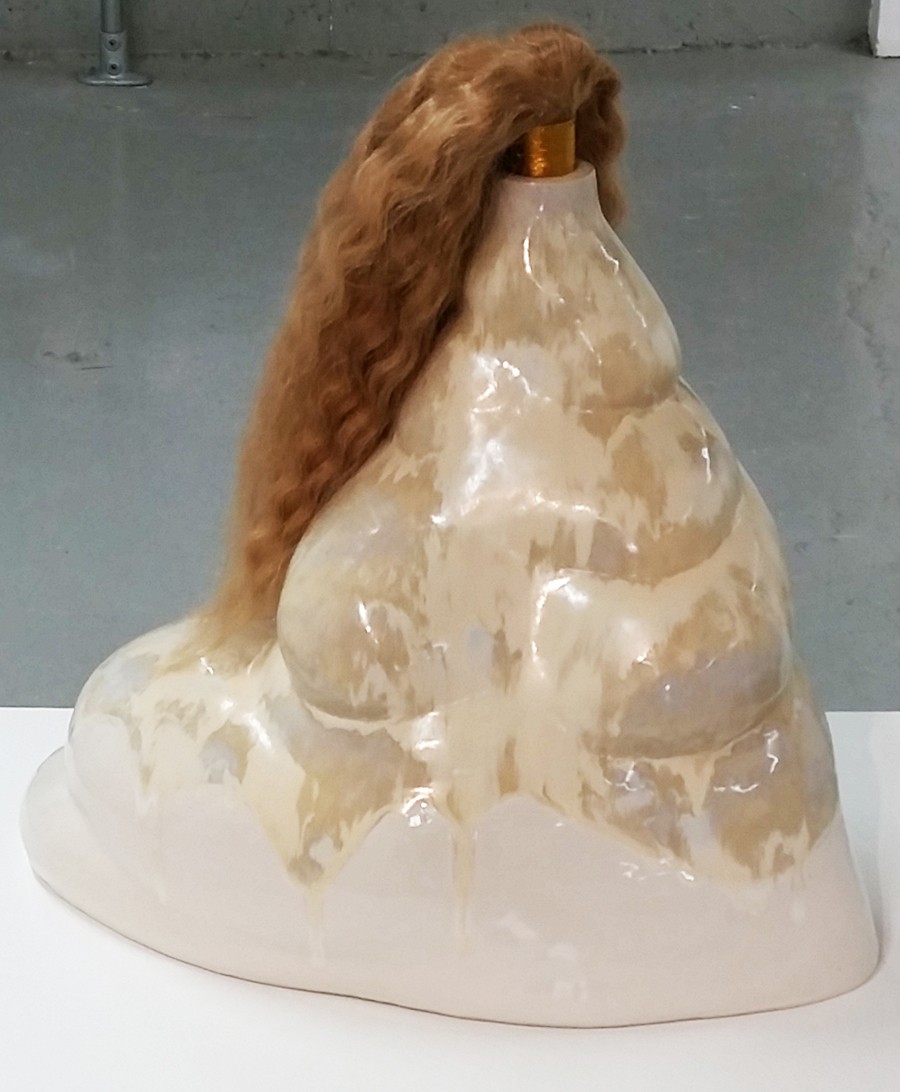
Ceramic pieces by Julie Moon have a way of getting to the core of female attributes in a primal way.  I liked the sense of ambiguity in this artist’s work.  Hovering between nightmare and goddess the piece shown below holds a potent sexual charge.

1859

“Flesh Pile (Side Pony)” by Julie Moon

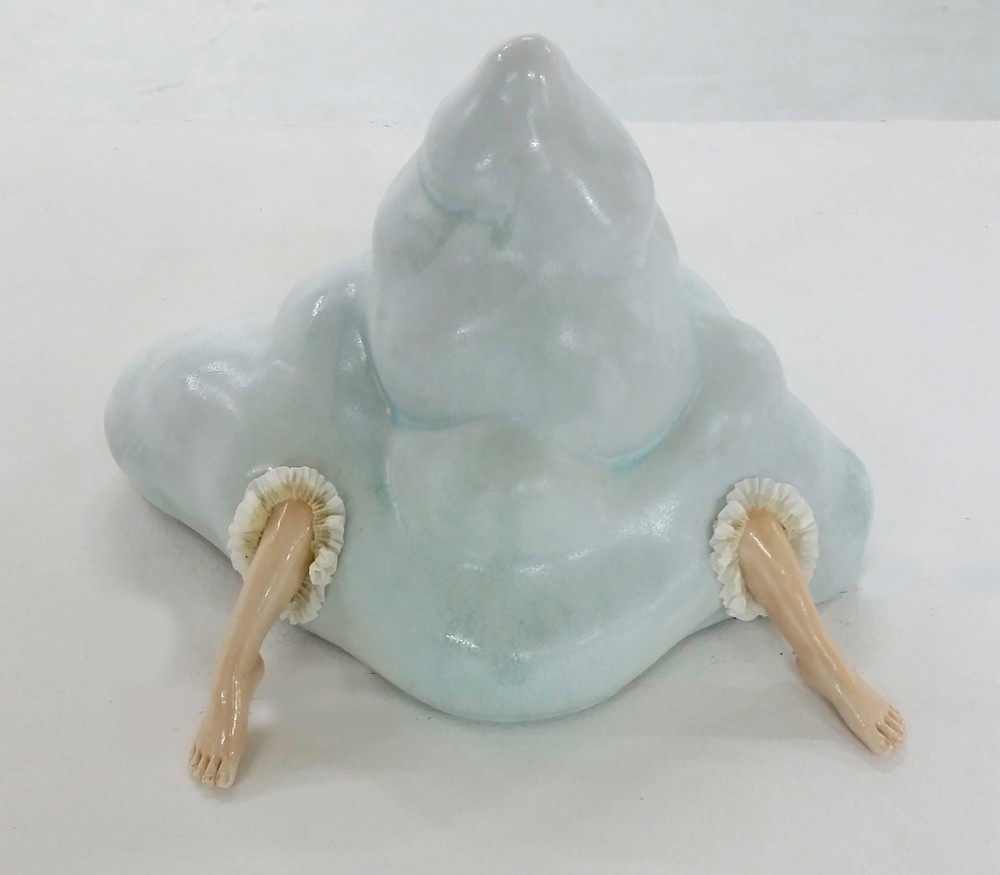
In another ceramic piece with Surrealist antecedents, Julie Moon creates fascinating tension as delicate limbs emerge from a glutinous heap.  Ruffles and a tender blue colour add to the horrifying sense of femininity caught in a grotesque trap.

1847

 “Bloomers” by Julie Moon

As the Sexish exhibition notes attest ideas about women and sexuality are “continuously evolving and unresolved.”  Here the clamorous sex/women issues dominating the headlines are sidestepped or ignored and it makes for a refreshing change.

taylor-swift-squad-c3e15f11-9e5c-4889-91ff-0046172a6822

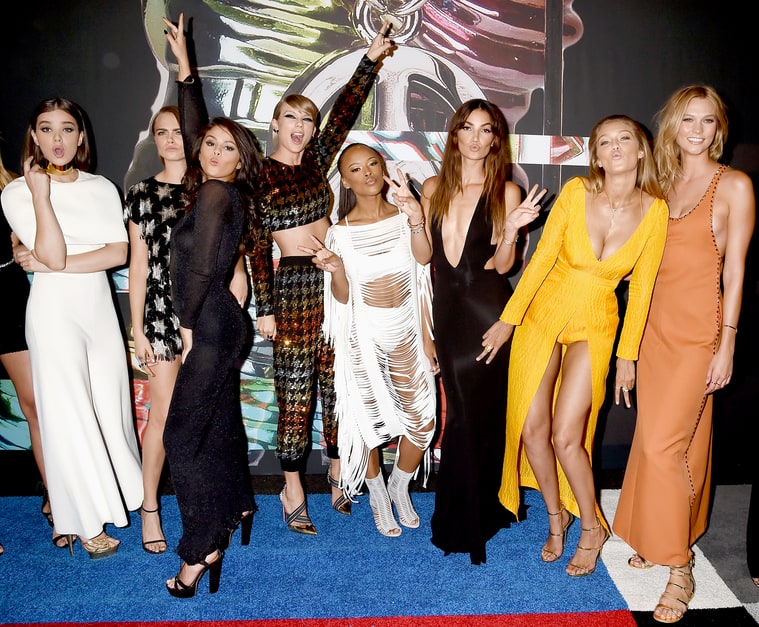
Taylor Swift’s Girl Squad

dacdedd336094d5fa946b6087caed0fd-dacdedd336094d5fa946b6087caed0fd-0-1788

University of Oregon protest

2FE7B3D800000578-0-image-a-1_1452255330962

Caitlyn Jenner in LA